
Where the Learning Leads: Dr. Akapelwa Mweemba
February 27, 2026
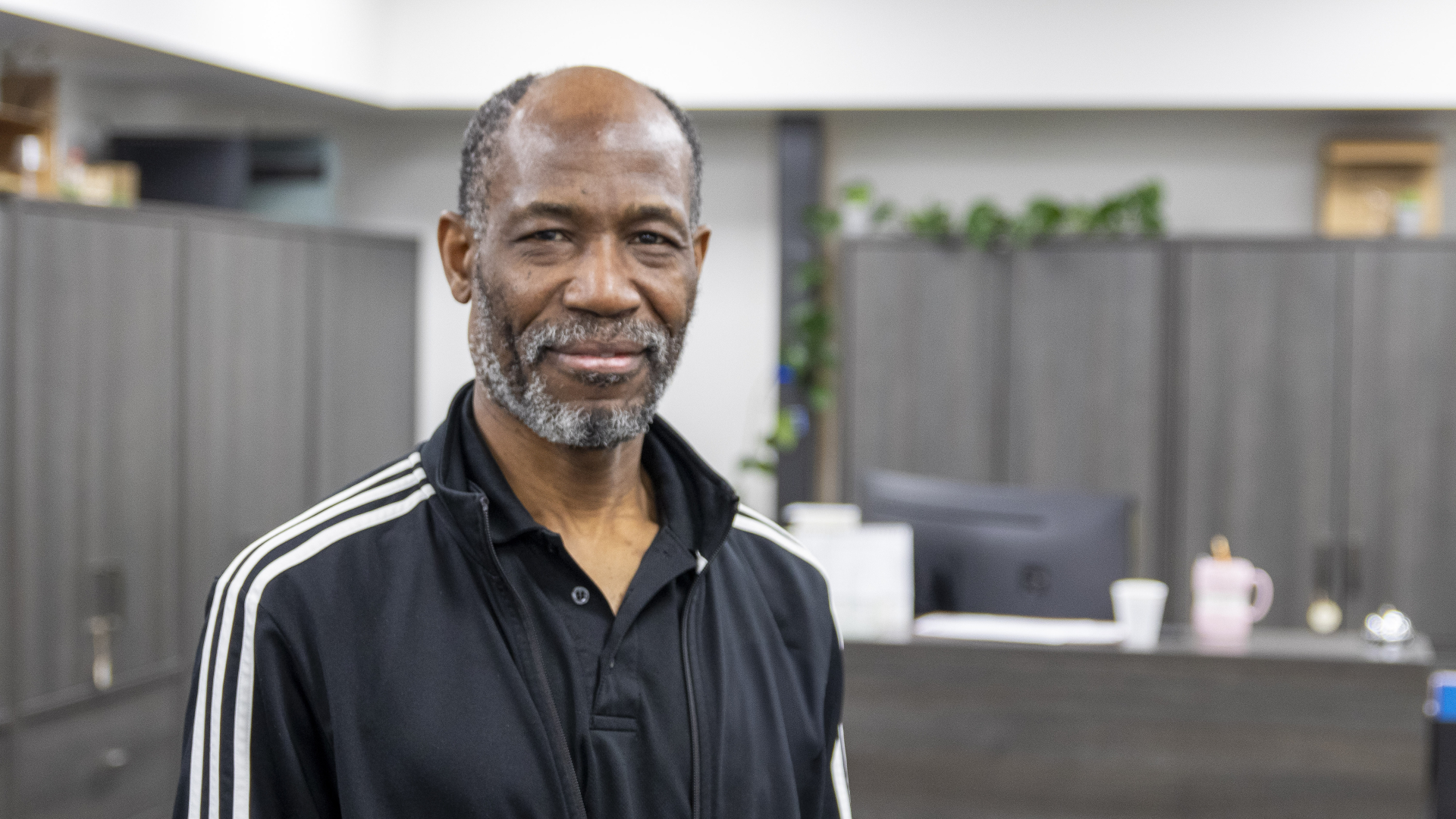
Dr. Akapelwa (Akaps) Mweemba’s journey to Assiniboine has brought him halfway around the world, to fulfill a goal that began when he was a young boy in Zambia. We took a moment to catch up with Akaps, and gained some insight into his world. Below is an excerpt of that interview.
Your journey & personal story:
Can you take us back to the beginning—what experiences or influences first set you on the path toward education and community leadership?
Growing up in Africa, education has always played a central role in expanding one’s sphere of influence and capacity for service. I was fortunate to secure a university placement and complete my studies as a teacher. In Zambia, teachers are held in high esteem and are widely regarded as natural leaders. Indeed, the country’s first President, along with many of his ministers, were teachers.
As a result, I became part of a profession that communities looked up to for guidance and example. After arriving in Canada, I continued this tradition of leadership by becoming actively involved in community initiatives. This involvement has been deeply fulfilling, as service to others is a core value for me.
What brought you to Canada, and how did that transition shape your personal and professional outlook?
I came to Canada to pursue further education. During this transition, I came to recognize that part of the shortage of skilled professionals arises from the challenging and often lengthy process of obtaining recognition for internationally acquired credentials in Canada. While I acknowledge that this issue is a priority for provincial governments, it requires more timely resolution. Canada already has a substantial number of qualified professionals—such as doctors, nurses, and engineers—within its borders, and continued recruitment from abroad may therefore be unnecessary if existing talent were more efficiently integrated.
When you think about your early days in Canada, what moments or challenges stand out as defining your journey?
The first time I saw and touched snow in my hands was memorable! Despite having read about snow, I had to see it to recognize it!
Many newcomers describe a moment when they finally felt ‘at home’ in Canada. Did you have a moment like that?
If there is a defining moment for me, it would be the day I received my Canadian citizenship. I had been a landed immigrant for several years and was initially reluctant to relinquish my Zambian citizenship. Over time, however, I came to fully embrace what Canada has to offer and to develop an appreciation for its culture and traditions. This journey marked a meaningful transition in my sense of belonging and identity… to the point of appreciating curling! As for lacrosse, it’s a work in progress!
The role the Centre for Adult Learning plays in our region:
For those who may not be familiar, what makes an adult learning centre unique on a college campus?
Our Centre for Adult Learning (CAL) occupies a distinct and important place on campus because of its mission and commitment to service. Our students arrive seeking to rebuild interrupted educational pathways—whether by earning additional credits, improving upon previous academic outcomes, or completing their journey toward a diploma. I commend the instructors who consistently demonstrate patience, empathy, and a nurturing approach, helping to restore confidence in students whose educational experiences have been marked by challenges.
What has surprised you most about leading a space dedicated to adult learners?
I cannot point to any surprises; nothing surprises me anymore! However, my experience has consistently observed the reinforcement of the principles of adult learning. Having been out of formal education for several years, many of our learners arrive with broad goals in mind. It is noteworthy how quickly their work at CAL helps to refine and clarify these plans, as they identify both their natural strengths and the areas that require further development.
Adult students often juggle work, family, and academic life, how does your team help support their success in meaningful ways?
The team at CAL is highly knowledgeable in the application of adult learning principles. They create an environment that supports learner autonomy and equips students to make informed decisions about their educational pathways. Through this approach, students acquire new skills that expand their opportunities, whether by advancing in their current employment or securing new positions. For many learners, developing the skills necessary to succeed as effective students also opens pathways to post-secondary education. Many of these choose Assiniboine because they have had a positive experience that reinforces their ability to be successful.
Is there a particular student story or achievement that captures what this space is all about?
There are many student experiences that could be highlighted; however, one recent example is particularly illustrative. A student arrived at CAL with significant apprehension and limited confidence in his ability to succeed academically. He was initially reserved, spoke infrequently in class, and was hesitant to engage. Over the course of one Law class, the student demonstrated marked growth in openness and participation, contributing meaningfully to class discussions. His critical thinking and debating skills improved substantially, and following graduation, he went on to pursue university studies.
Reflections on Black History Month:
As we mark Black History Month, what does this time of reflection and celebration mean to you personally?
Black History Month serves as an important reminder of humanity’s long journey toward recognizing the inherent dignity and worth of all people. It underscores the importance of remembering history so that past injustices are not repeated, while also providing an opportunity to celebrate my heritage. Black History Month reminds me of the sacrifices made by millions whose struggles have contributed to the opportunities I enjoy today, and of my responsibility to contribute to a more just and equitable world for future generations.
In your view, what role do educational institutions play in keeping Black history, voices, and contributions at the forefront year‑round, not just in February?
The Truth and Reconciliation Commission (TRC) has demonstrated that education is central to the process of reconciliation. Meaningful progress has been made in keeping these conversations at the forefront of academic discourse and public dialogue. However, significant resistance persists among some segments of society, as evidenced by the rise in hate crimes in Canada targeting Jewish communities, Indigenous peoples, and other racialized and minority groups. Educational institutions have an important leadership role to play in keeping Black history visible and relevant by integrating ongoing, year-round recognition, alongside the celebration of the histories and contributions of other minority communities. I commend the College for continuing to highlight international communities represented in the student population.
Related Articles
Cougars Pep Rally

Assiniboine ECE program coming to Neepawa in 2027
2026 Fall Volleyball