
Sustainable Greenhouse & Grow Plot
Sustainable Greenhouse & Grow Plot
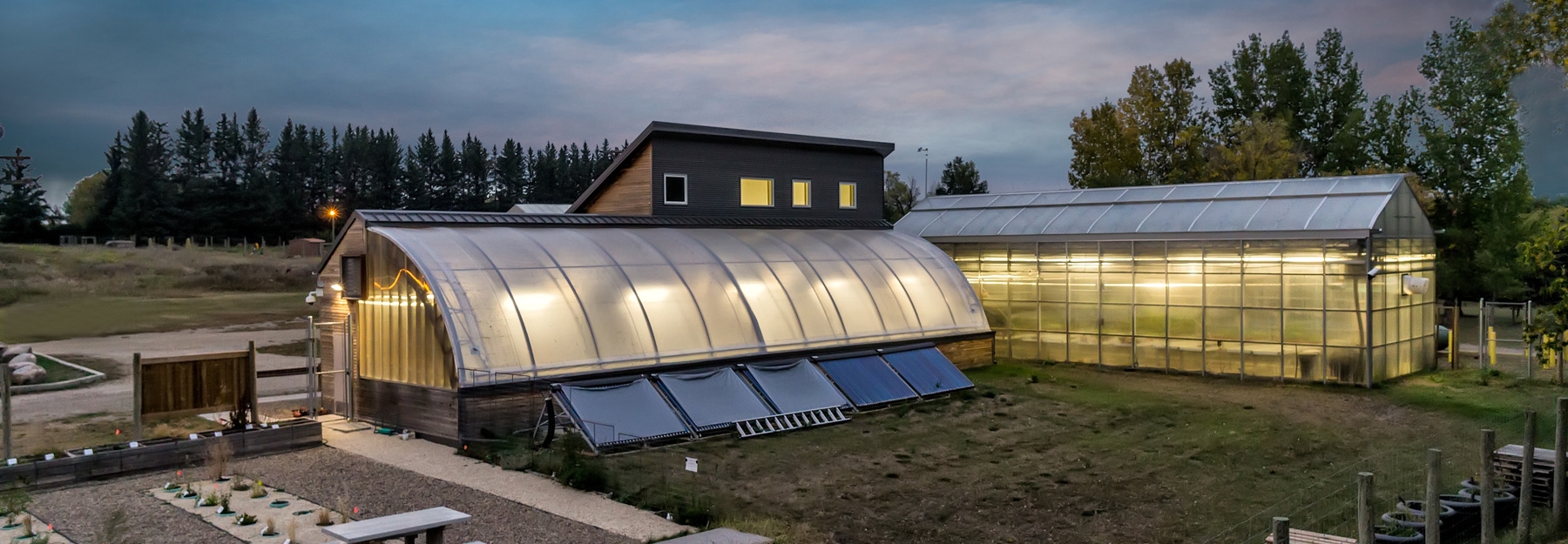
Our 3,300-square-foot sustainable greenhouse opened in 2013 at Assiniboine's North Hill campus. The complex consists of three greenhouses, each with different technological and energy inputs that constitute different microclimates in each greenhouse. The result is the ability to test different plants species under different growing conditions in the same complex.
Russ Edwards School of Agriculture & Environment programs including the Horticultural Production, Sustainable Food Systems, Land and Water Management and Culinary Arts use the greenhouse, weed identification garden and adjacent grow plot for experiments, lab work, research and classroom learning.
Sustainable Greenhouse
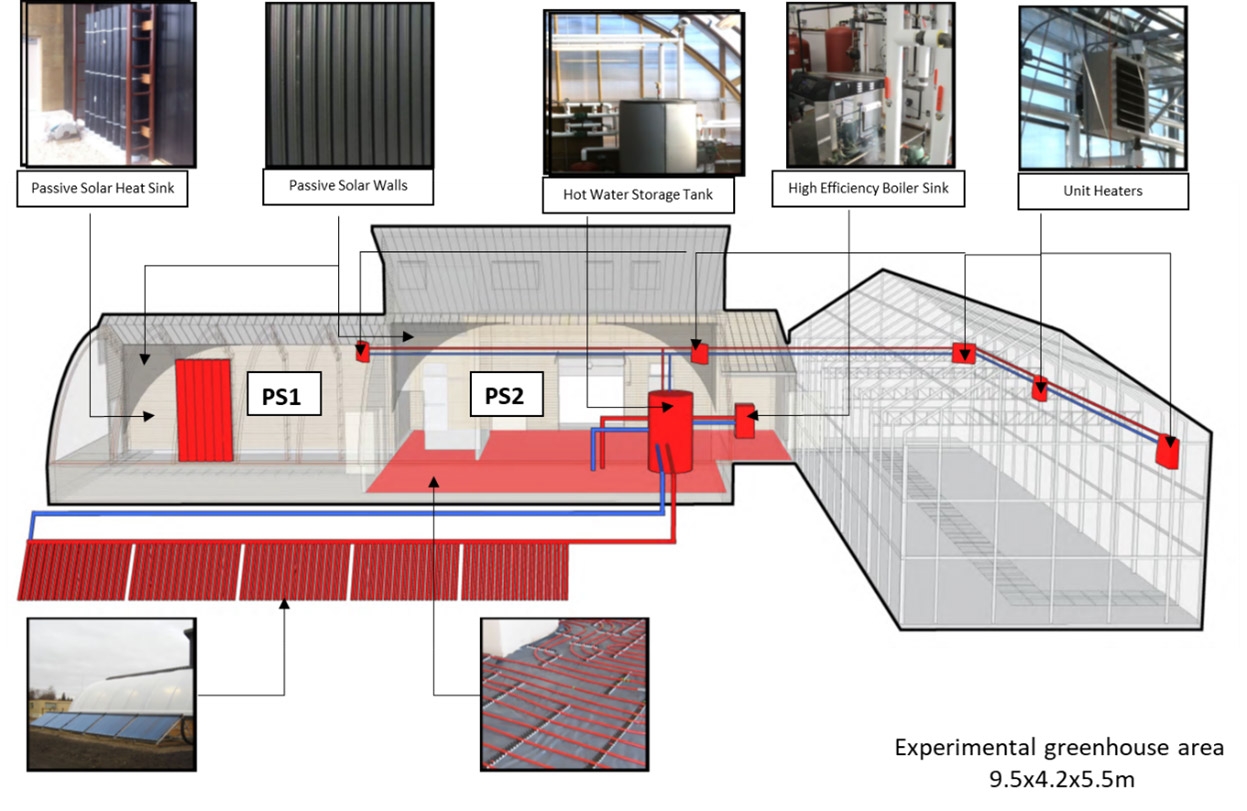
The complex consists of a high technology greenhouse (HTG), with standard A-frame greenhouse features (triangular, cross-rafters with a peak) and improved control of climate due to supplemental heating and lighting (mix of 400 W metal halide lamps and 400 W high-sodium pressure lamps in alternate rows); a medium technology greenhouse (MTG) which is a half-dome structure with a passive solar system in addition to in-floor heating, consisting of basic features but warmer due to better heat sinks; and a low technology greenhouse (LTG) which is a half-dome structure with a passive solar system, polyvinyl fluoride glazing material with basic features, and the lowest mean daily temperatures. The passive solar greenhouses, MTG and LTG, were designed to collect, store, and distribute solar energy in the form of heat in the winter and dissipate heat in the summer.
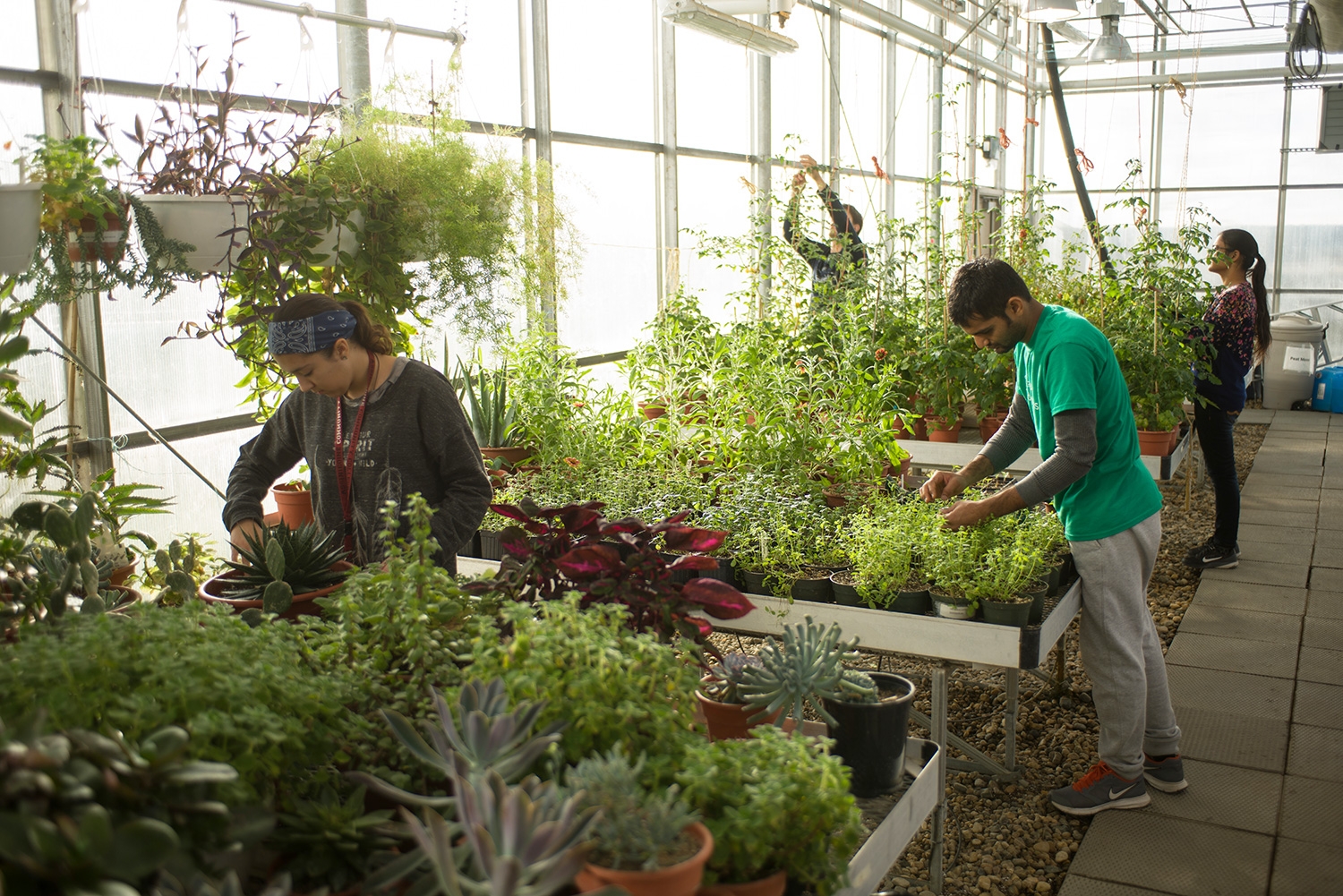
The sustainable greenhouse enables hands-on training for students and facilitates research into plant nutrition and fertilization in different growing media, the impact of different stresses on plant development and growth, plant propagation and nursery techniques under greenhouse conditions as well as facilitating research in sustainable food systems and food security.
Future planned development to applied research infrastructure include an expansion of the existing greenhouse complex to include three new greenhouses to the east and south of the existing greenhouse complex, as well as a 125 m2 header house expansion and clean laboratory space. These expanded facilities will allow for the college to utilize different types of grow systems and accommodate more students and faculty in the greenhouses at a time.
Manitoba Weed Identification Garden
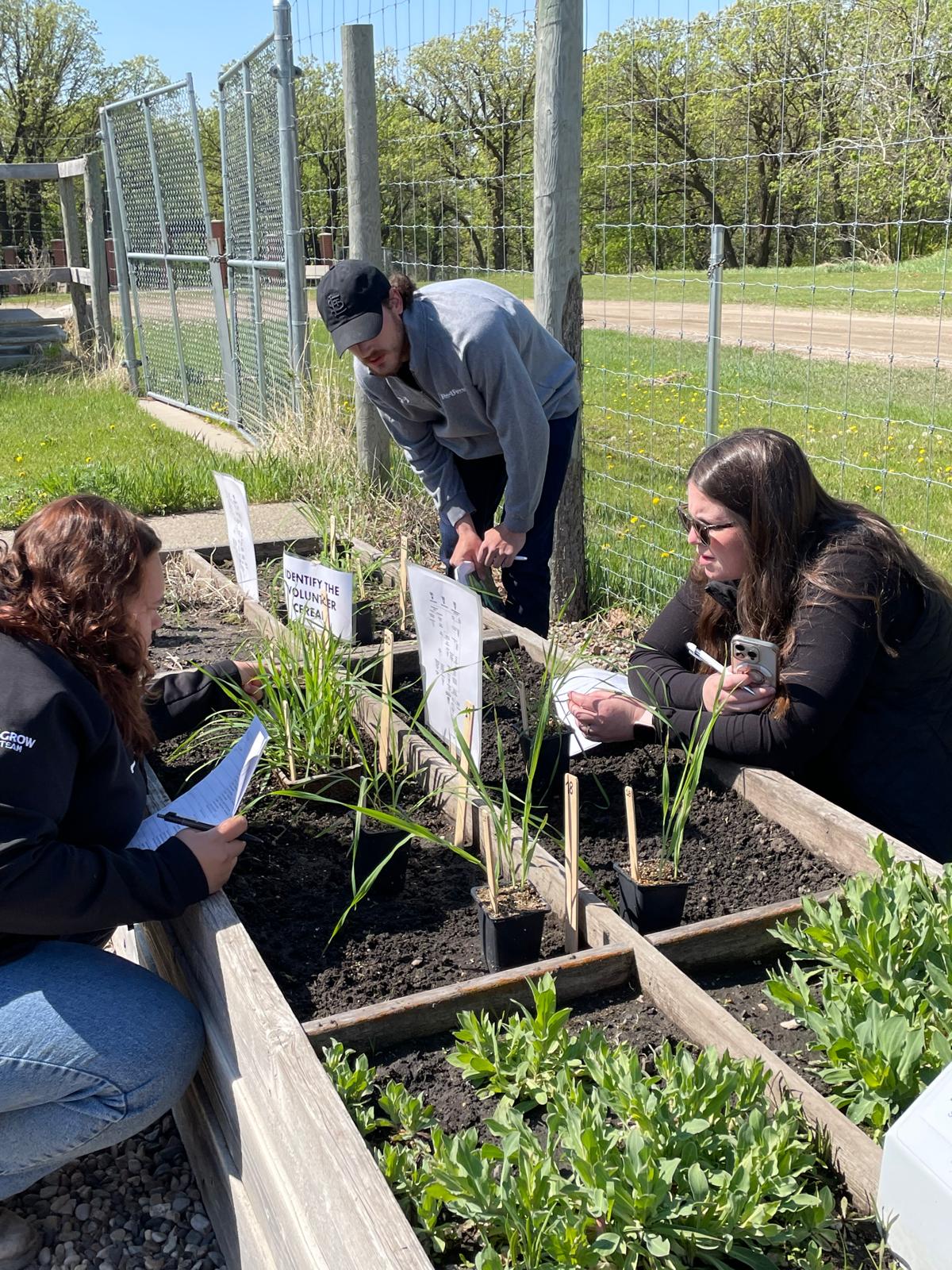
While home-gardeners try to keep weeds and invasive plants out of their gardens, Assiniboine's weed garden is a dedicated plot where testing and weed identification courses take place.
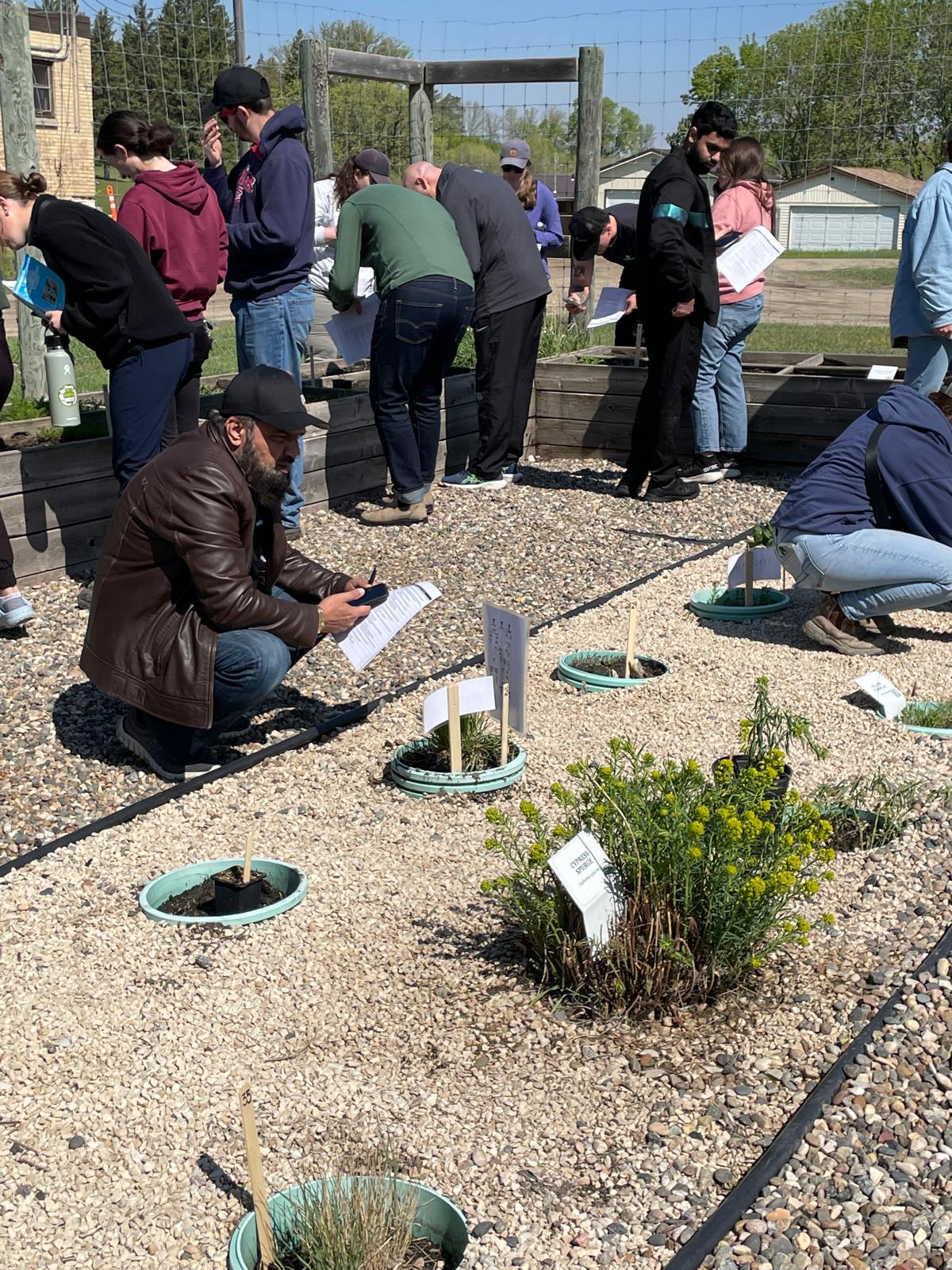
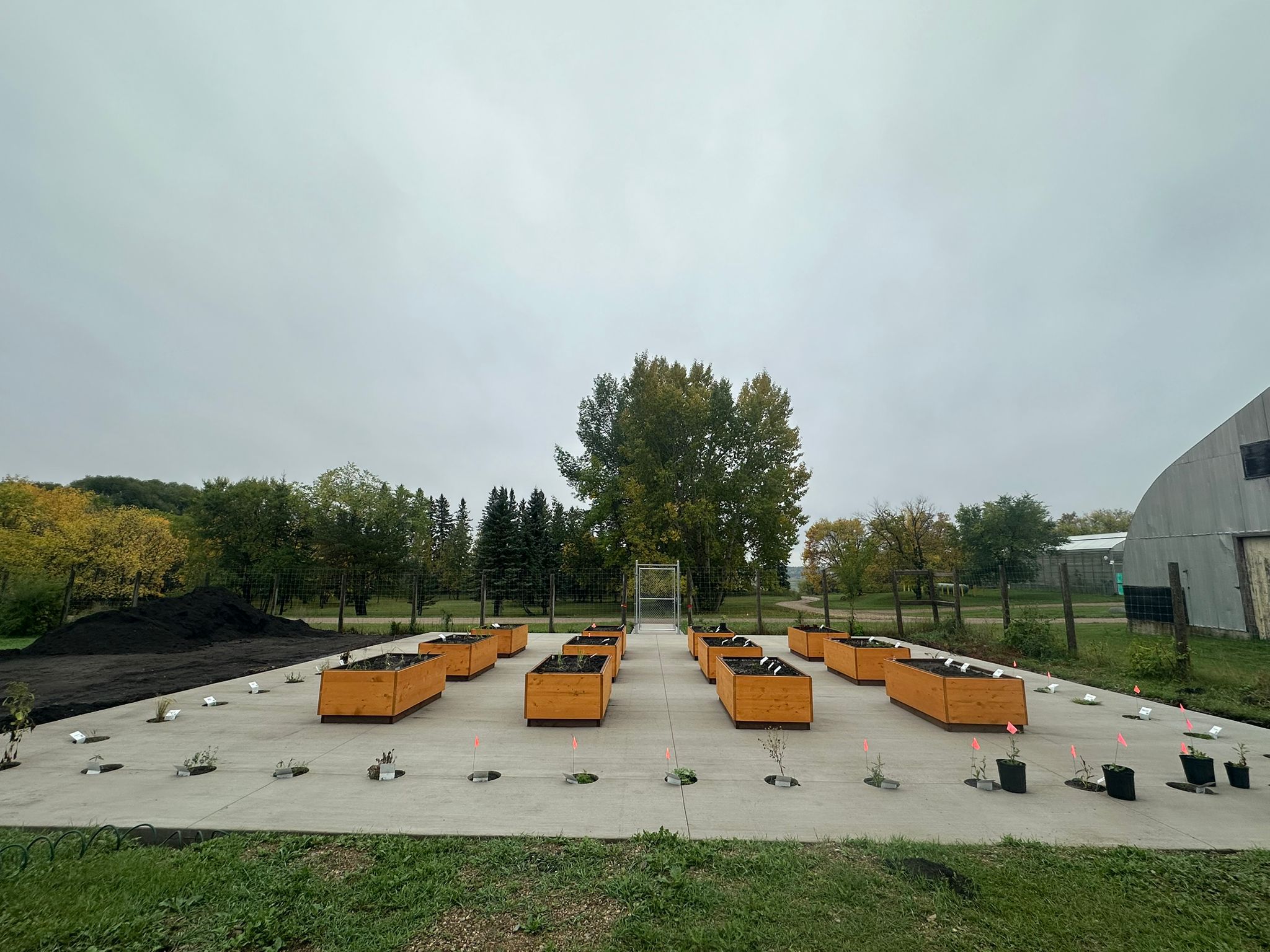
The Manitoba Weed Identification Garden, opened in 2016 through a generous donation from the Manitoba Zero Tillage Research Association, is located at the North Hill Campus. This resource is one of a kind in Western Canada, is open to the public and used as a teaching resource for Russ Edwards School students, secondary students and the public, as well as agricultural and lawn and garden professionals. The garden has over 80 common weed plants, which include a wide variety of weed species, including perennials and annual, both native and non-native to Manitoba. The Weed Garden is hosted and maintained by the Russ Edwards School and new species are added regularly.
Whether it be from a field, lawn, garden, flower bed, wherever, the Weed Garden is open for anyone to come in and get a up-close-and-personal look at the weeds. Visitors to the garden can compare the plant they have to those growing in the weed garden. Similar species easily confused are located next to one another so visitors to the Garden can see them side by side and get more comfortable telling them apart. Weed management resources are also available.
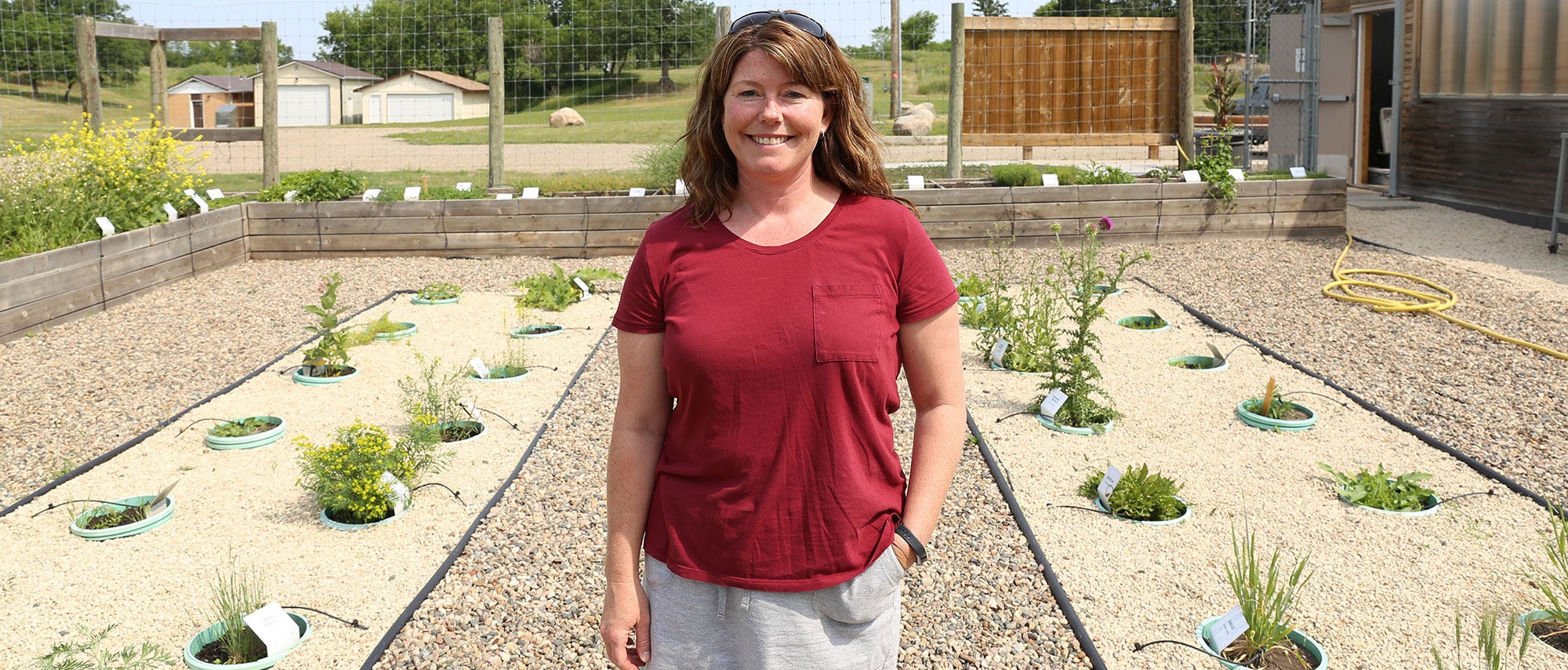
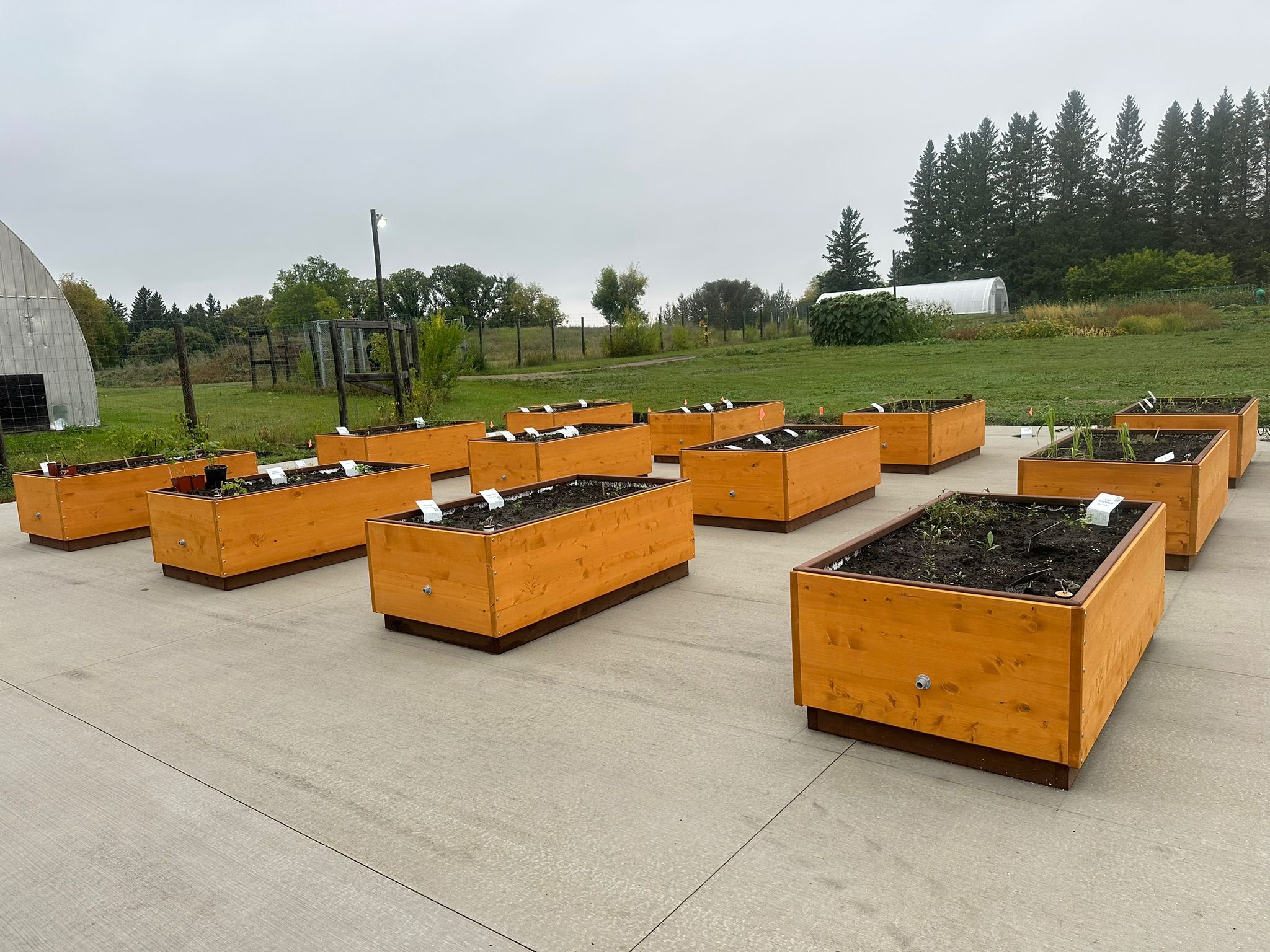
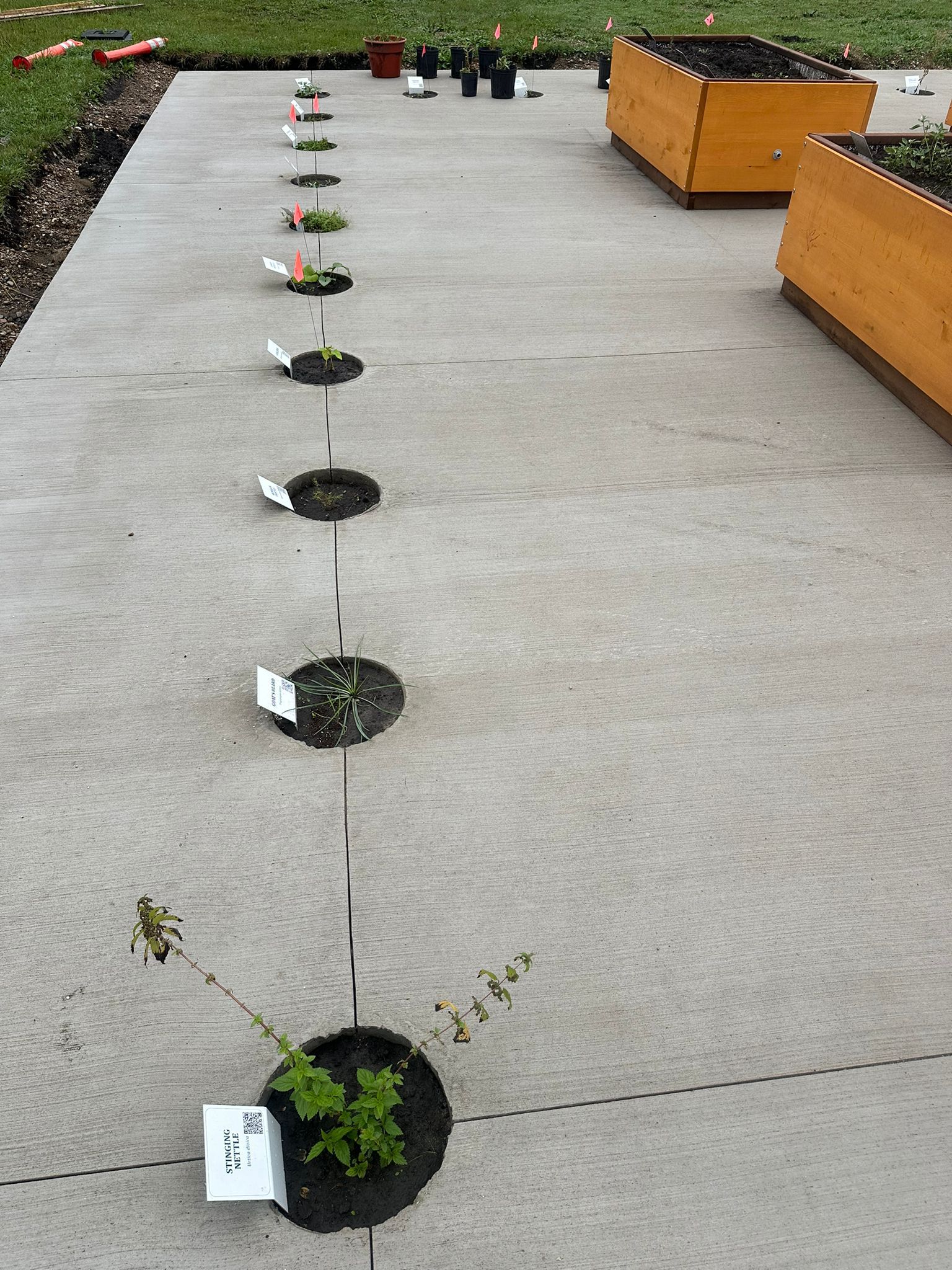
With the expansion of the greenhouse complex initiated in 2025, the Weed Garden was relocated from its original space near the sustainable greenhouses to the Assiniboine College North Hill Grow Plots. Funding provided by the Manitoba Habitat Conservancy-Conservation Trust and Assiniboine College, supported the relocation, expansion and upgrading of the Weed Garden. Ongoing upgrades include new water conserving raised beds, pathways accessible to those with mobility concerns, and plant identification signs which include plant names in braille.
The garden provides students in Assiniboine’s agriculture and environment programs with tangible and real learning opportunities. Farm retailers, researchers, and interested public are welcome to examine the weed specimens throughout the growing season. Assiniboine College also hosts the Annual Weed Seedling Identification Day for the province at the Weed Garden and in 2025 had over 80 attendees, with 80% external to the College.
A weed is commonly defined as “a plant in the wrong place”, but these plants are a welcome addition on the Assiniboine College campus.
Grow Plot
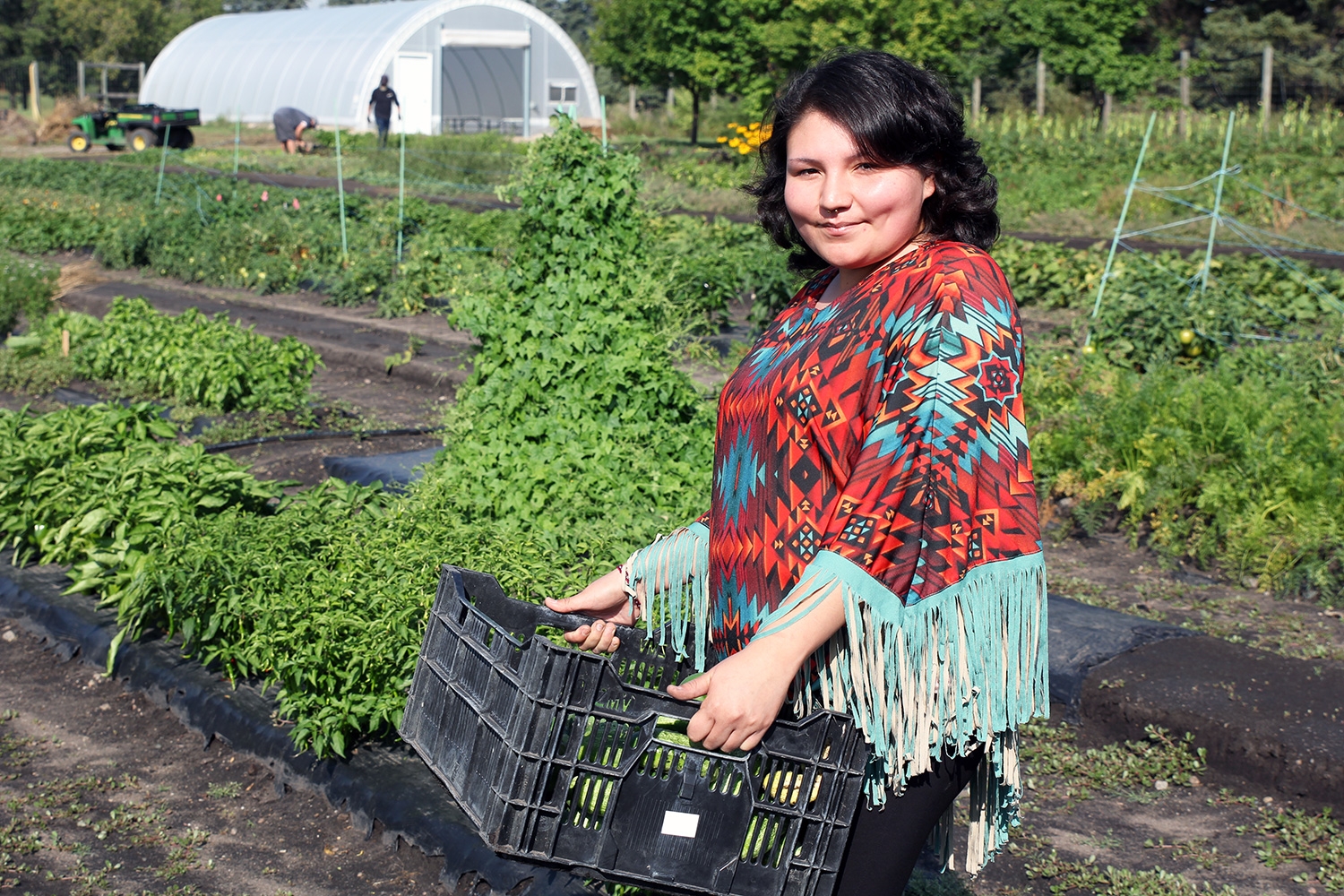
The 3.2 acre grow plot and teaching orchard is an integrated part of the Russ Edwards field-to-fork approach, the food grown and harvested here is used in the Culinary Arts and Hospitality programs for lessons and events hosted throughout the year at the Manitoba Institute of Culinary Arts.
Growth Chamber
In 2019, the Grow Laboratory at the Victoria East campus was retrofitted. An environmentally controlled Growth Chamber was installed and the surrounding space renovated to accommodate grow tables, potting tables teaching area, wash stations (with soil traps), eye wash station and a chemical/fertilizer cabinet. The Growth Chamber permits small applied research experiments with the ability to control light, heat, humidity and day length for a variety of testing conditions.
Food Processing Lab
In 2020, Assiniboine College built and opened a Food Processing Lab and began offering a Retail Food Processing program. This program and expanded lab capacity was a partnership with the federal government, the province of Manitoba, Maple Leaf Foods, HyLife, Manitoba Pork, UFCW Local 832 and Brandon Hog & Livestock. There is a growing demand for protein and the facility will allow students to learn about protein processing and provides an avenue for applied research in developing new food products and evaluating consumer products based on the sensory experience (taste, smell, sight, touch).
Soils Lab
In 2020 the existing Soils Laboratory was renovated and outfitted to provide qualified space for a variety of soil tests including texture, structure, pH, electronic conductivity, organic carbon and others. The college received a donation of soils lab equipment as a result of the Government of Manitoba Provincial Soils Laboratory closing and provides a unique opportunity for the college to conduct soils focused applied research.
High Tunnel
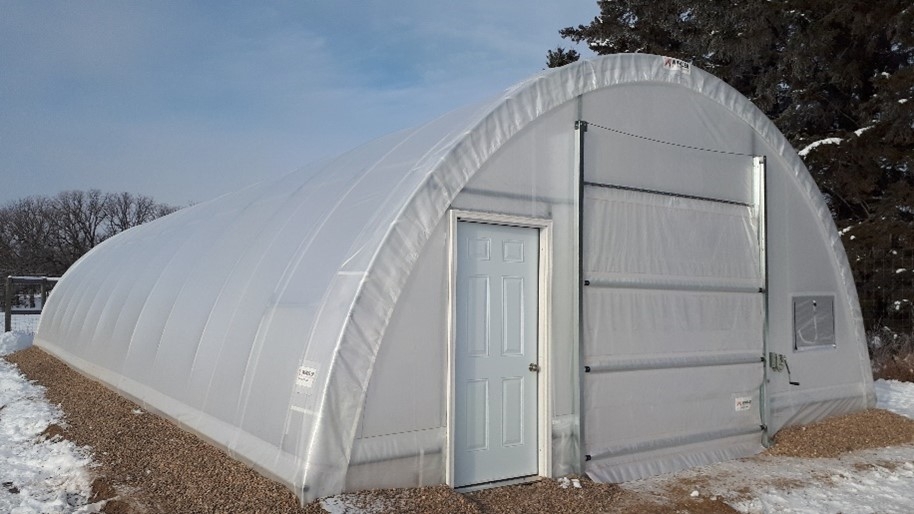
In 2022, a 60 ft x 24 ft high tunnel (hoop house) was purchased with support of the Government of Manitoba and installed at the North Hill Campus. The high tunnel is not supplemented with heat or light and relies on passive ventilation.
High tunnels are used to extend growing season which increases yields and quality of the crop. Russ Edwards School researchers will be using the high tunnel to explore covered production of horticulture crops to develop agronomic growing recommendations.
Currently the college is working to raise $73M to build the Prairie Innovation Centre which will be an integrated learning environment with a mixture of collaborative learning spaces, applied research labs, multipurpose spaces and amenities. The Centre will repurpose the Parkland building on the North Hill campus, joining the Manitoba Institute of Culinary Arts, the Len Evans Centre for Trades and Technology, the sustainable greenhouse, grow plots, orchard and the weed identification garden to provide interdisciplinary training and practical education. This one-of-a-kind Canadian college project will combine indoor and outdoor learning spaces for seamless, hands-on experimentation and training experiences.