
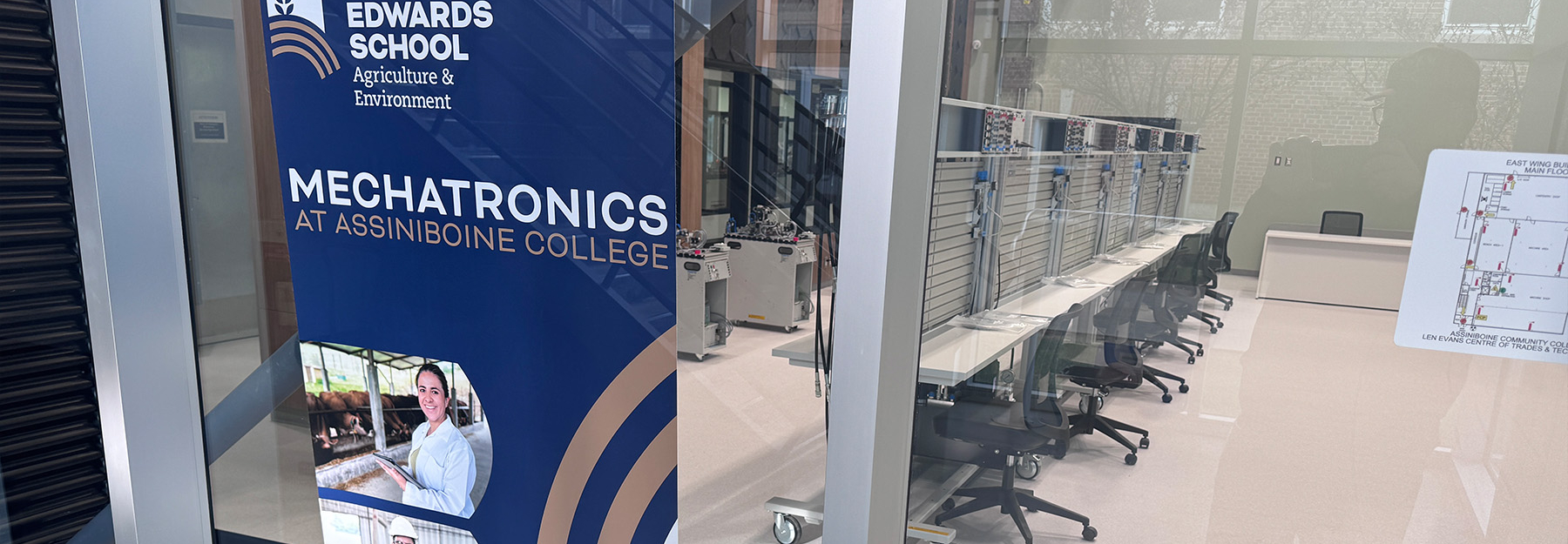
Mechatronics Labs
Mechatronics Learning Spaces
Assiniboine’s Mechatronics learning spaces located at our North Hill campus in the Len Evans Centre for Trades and Technology are designed to reflect the technologies and environments found in modern automation and advanced manufacturing industries. Combining mechanical, electrical, control, and robotics systems, this 5430 square-foot lab provides students with extensive hands-on experience using industry-standard equipment. Through practical training and real-world applications, students develop the technical skills, problem-solving abilities, and systems-thinking approach needed to support, maintain, and improve complex automated systems across a wide range of industries.
Interested in Mechatronics?
Visit our program page to learn more about admission requirements, course details and more!
Mechatronics Lab
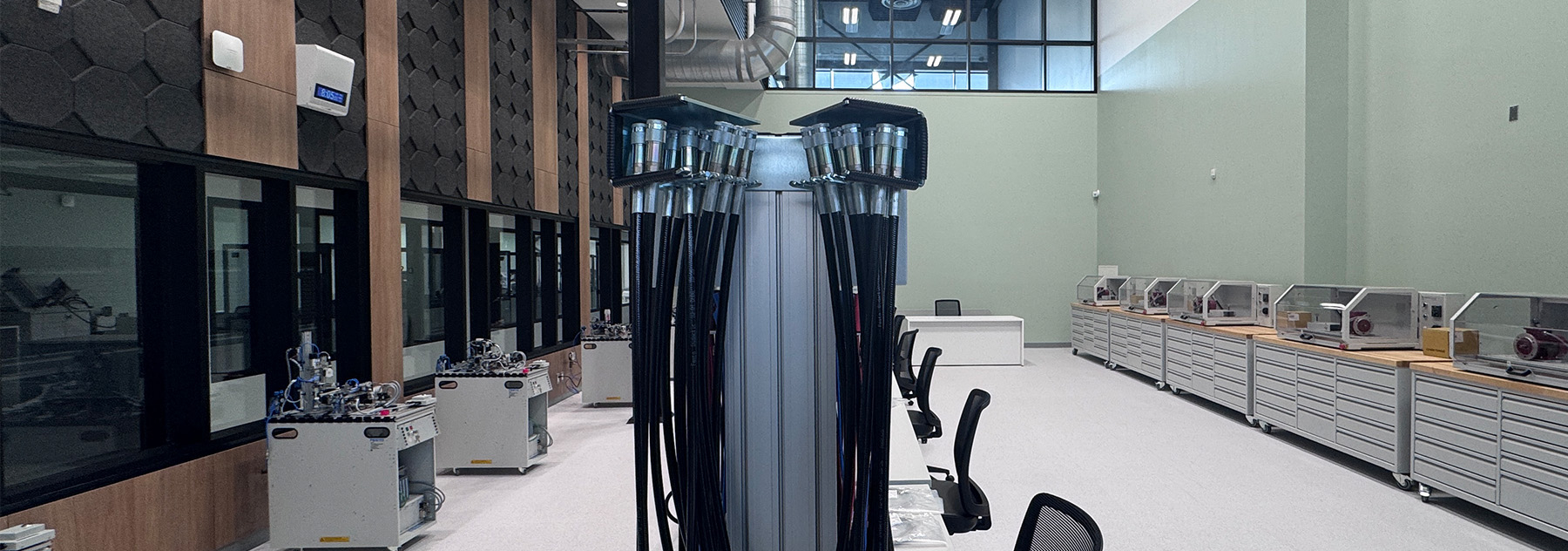
The Mechatronics Lab provides a hands-on learning environment where students work with the core technologies that drive modern automation systems. Using industry-standard equipment, students develop practical skills in system integration, troubleshooting, commissioning, and automation while gaining experience with the tools and technologies found in today's industrial workplaces.
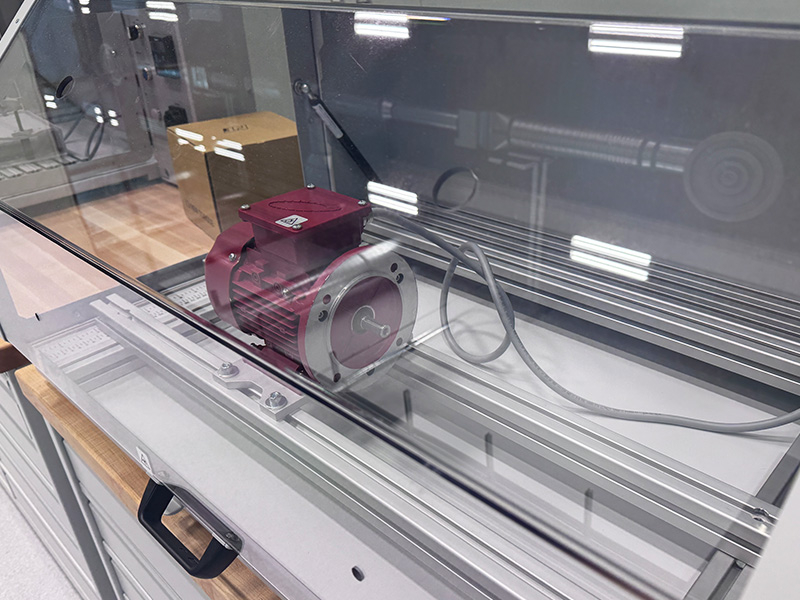
Mechanical Drives
The Mechanical Drives training area features Festo motor drive systems that introduce students to industrial motion and power transmission technologies. Here, students learn how motors, sensors, and drives work together within automated systems while developing skills in system operation, alignment, diagnostics, and troubleshooting.
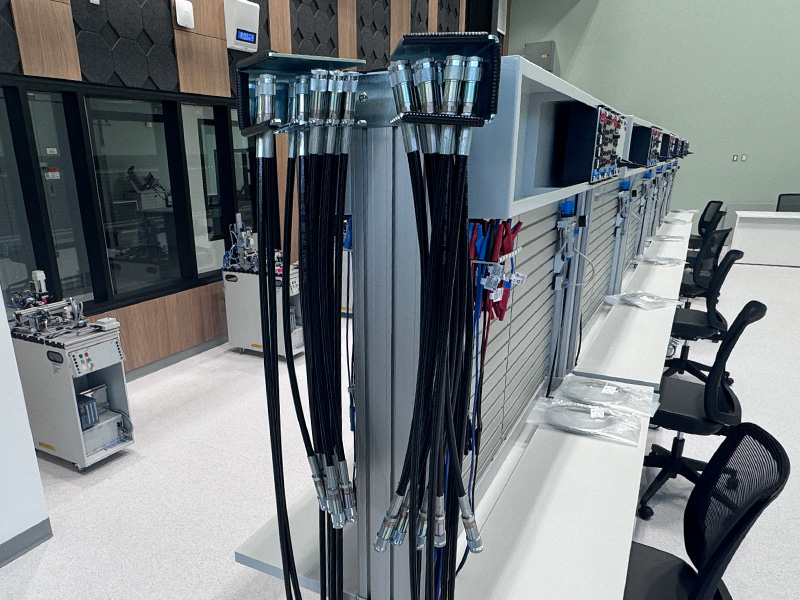
Pneumatic and Hydraulic Trainers
The Pneumatic and Hydraulic training area allows students to explore the principles of fluid power used throughout industry. Using Festo training systems, students gain hands-on experience with circuit design, component operation, actuator control, and troubleshooting while learning how pneumatic and hydraulic systems support automated processes.
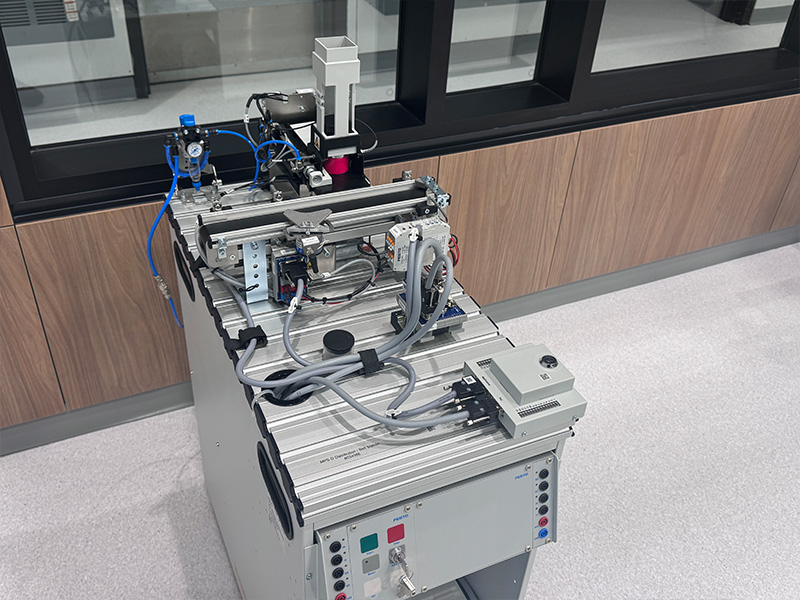
MPS (Modular Production System)
The MPS training area features Festo Modular Production Systems that simulate the operation of integrated automated manufacturing processes. By combining mechanical, electrical, sensing, and control technologies within a single system, students gain hands-on experience with automation workflows, production sequencing, system integration, and troubleshooting in a realistic industrial environment.
Electronics and PLC Lab
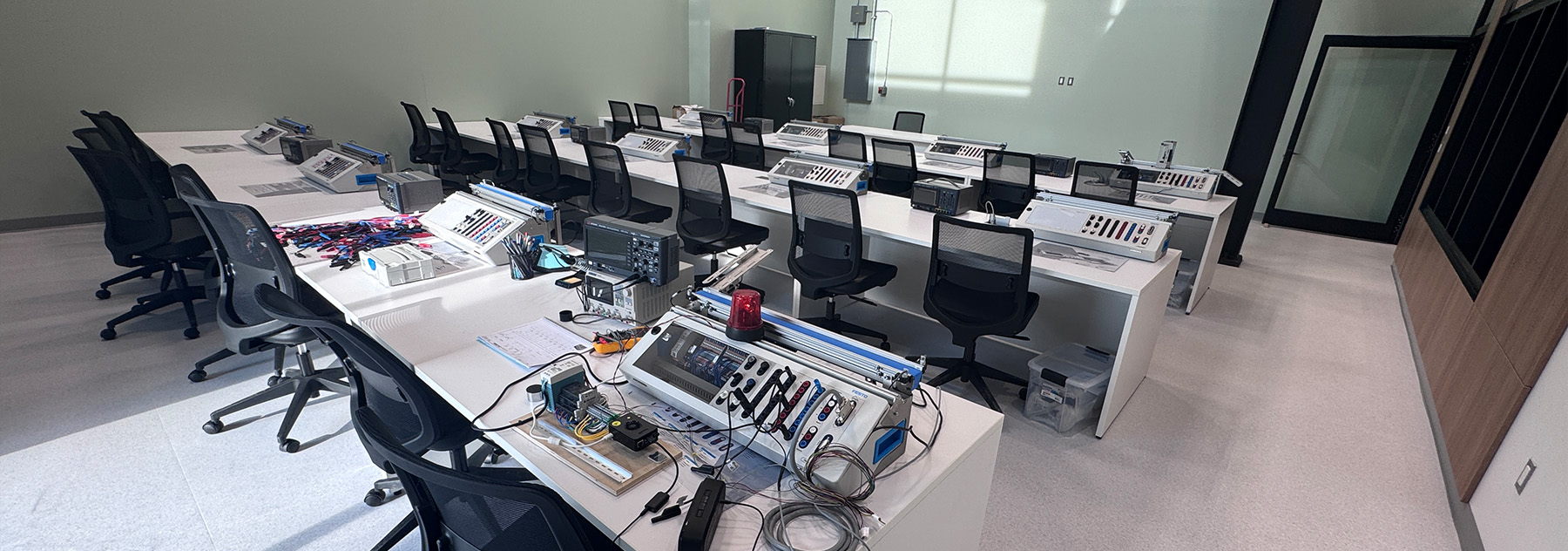
The Electronics and PLC Lab provides a practical learning environment where students work with industrial electrical systems, electronics, sensors, and programmable logic controllers. Featuring Festo tabletop conveyor systems, the lab simulates real-world automation processes, allowing students to develop hands-on skills in wiring, programming, troubleshooting, and controlling automated production systems.
Robotics and Process Control Lab
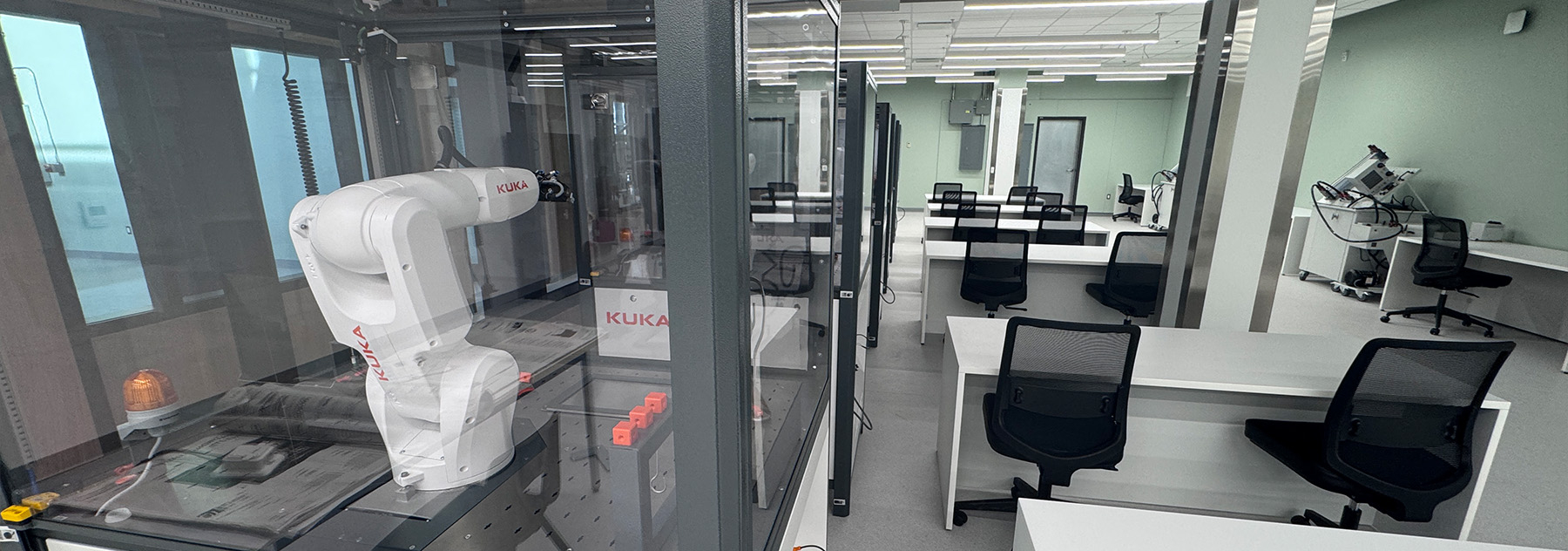
The Robotics and Process Control Lab provides a dynamic learning environment where students gain hands-on experience with industrial robotics and automated process systems. Designed to reflect modern industrial settings, the space supports learning in automation, system integration, troubleshooting, and process monitoring using industry-standard equipment.
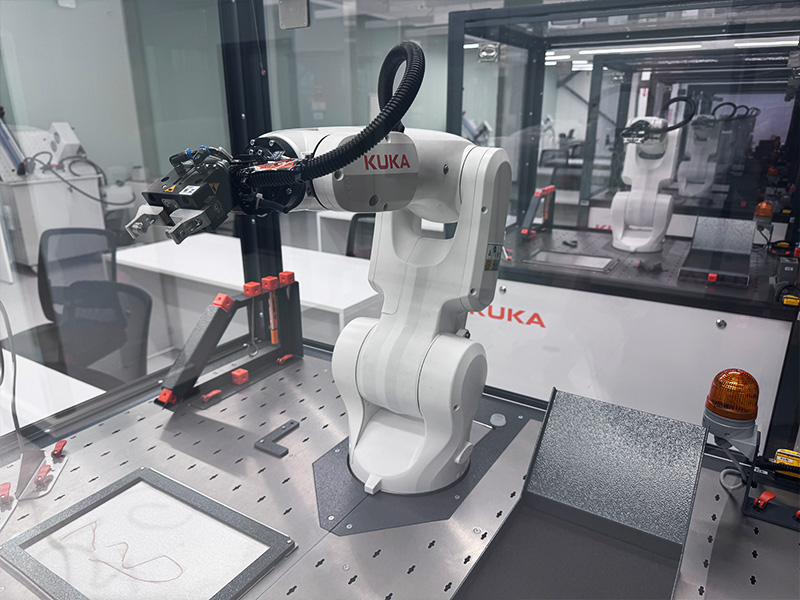
KUKA Ready2Educate Robotic Cells
The KUKA robotic training cells give students the opportunity to work directly with industrial robots used in advanced manufacturing environments. Within this space, students develop skills in robot programming, motion control, vision systems, automation integration, and safe robotic operation through practical, hands-on learning.
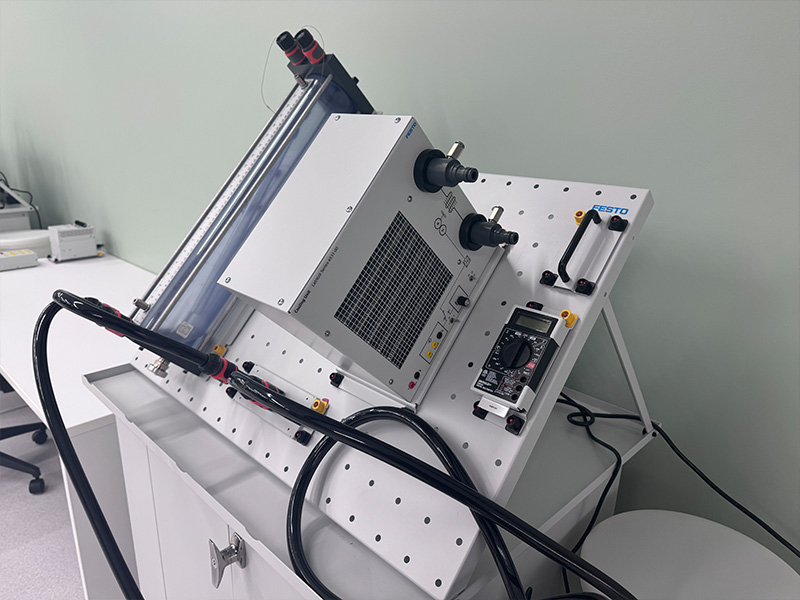
Festo Process Control Units
The Festo process control training area introduces students to the principles of industrial process automation. Using equipment that simulates real-world systems, students learn to monitor and control flow, pressure, level, and temperature while developing skills in instrumentation, system tuning, troubleshooting, and process optimization.